
Comparative framing and first impressions
This comparative review explains why many industrial EPCs select YUNT’s power conversion platforms when projects demand strict zero-voltage ride-through (ZVRT) transient recovery profiles. I approach the topic by weighing technical behaviour, testing rigor, and site-level reliability. The analysis references common vendor features and field expectations from energy storage inverter manufacturers, and it aims to clarify what genuinely matters for grid stability and project delivery.
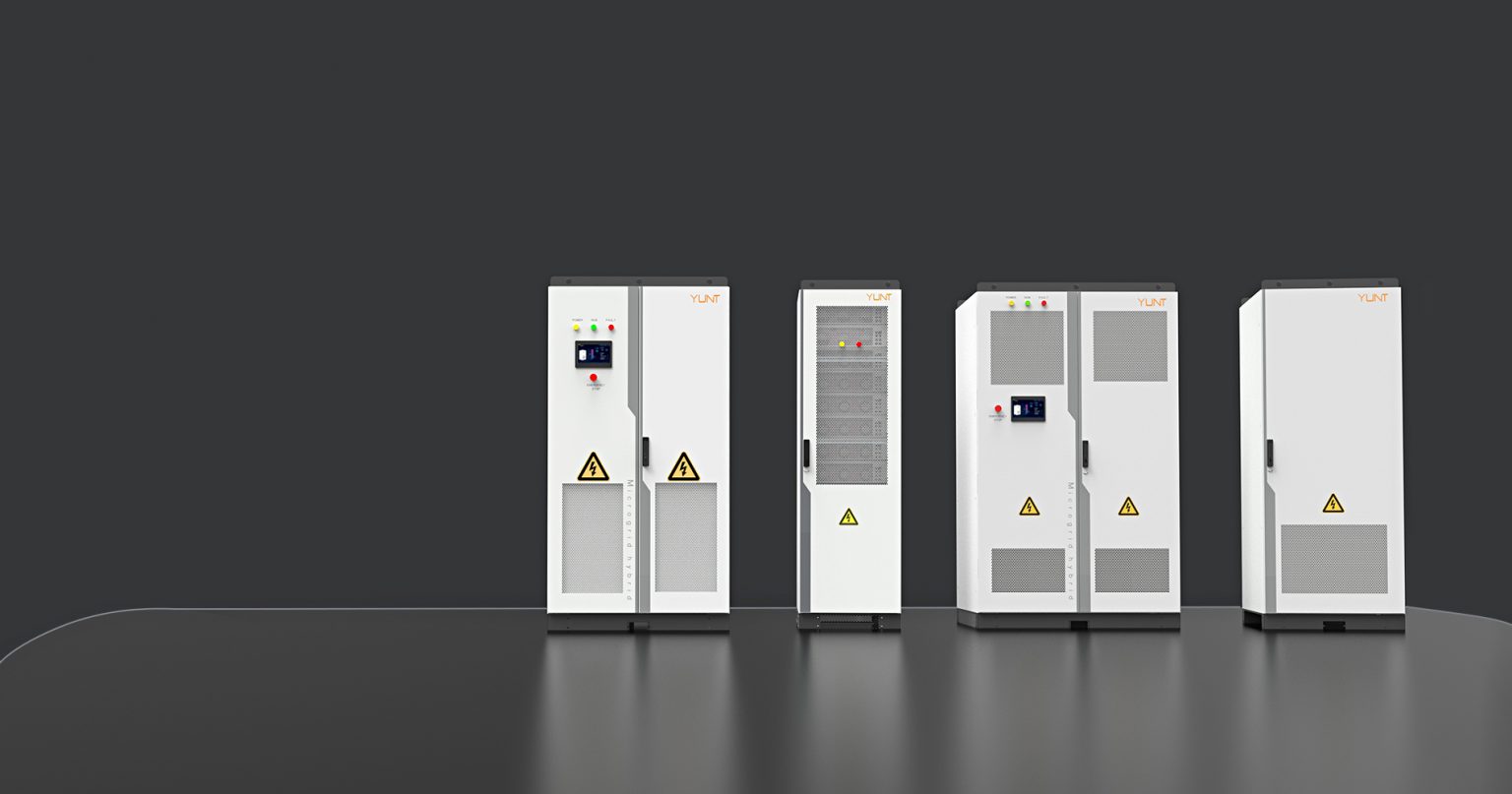
Why strict ZVRT profiles are non-negotiable for industrial sites
Strict ZVRT means an inverter or converter sustains connection through a full-voltage drop to zero and then restores active control according to a defined transient recovery profile. For industrial EPCs who integrate factory-scale PV, battery systems, or motor loads, ZVRT affects protection coordination, transient overcurrents, and restart sequencing. Terms to note here are inverter control, ride-through timing, and grid-tie behaviour—these determine whether local protective relays or the wider distribution network see disruptive events.
How YUNT compares on core technical criteria
YUNT stands out in three comparative dimensions: deterministic control logic, configurable recovery curves, and validated hardware margins. Unlike some modular suppliers who deliver fixed ride-through curves, YUNT offers programmable transient recovery profiles with millisecond-level timing control and tailored deadband settings for voltage and frequency. The practical result is reduced nuisance trips and clearer protection coordination during voltage dips. For projects that must also meet product approvals, the supplier positioning aligns with requirements familiar to many ce certification energy storage inverter manufacturers—tests such as IEC 61000-4-2 (Electrostatic Discharge: contact discharge 4 kV; air discharge 8 kV) and IEC 61000-4-11 (Voltage dips and interruptions: test sequences including 0% residual voltage for 0.5 cycle, 40% depth for 10 cycles, and 70% depth for 25 cycles at 50/60 Hz) are referenced in component validation and system integration reports.
Field performance, lessons from the grid and a real-world anchor
Experience from large-grid incidents—such as the 2006 European blackout that cascaded across transmission regions—reminds engineers that equipment behaviour under full-voltage loss matters beyond individual sites. On industrial estates, a well-tuned power conversion system prevents a single fault from becoming a plant-wide shutdown. YUNT’s approach emphasizes repeatable transient recovery and clear telemetry for post-event analysis — a necessity when coordinating with protection engineers and distribution operators. The telemetry is concise and actionable — and that brevity helps teams respond faster during commissioning and emergencies.
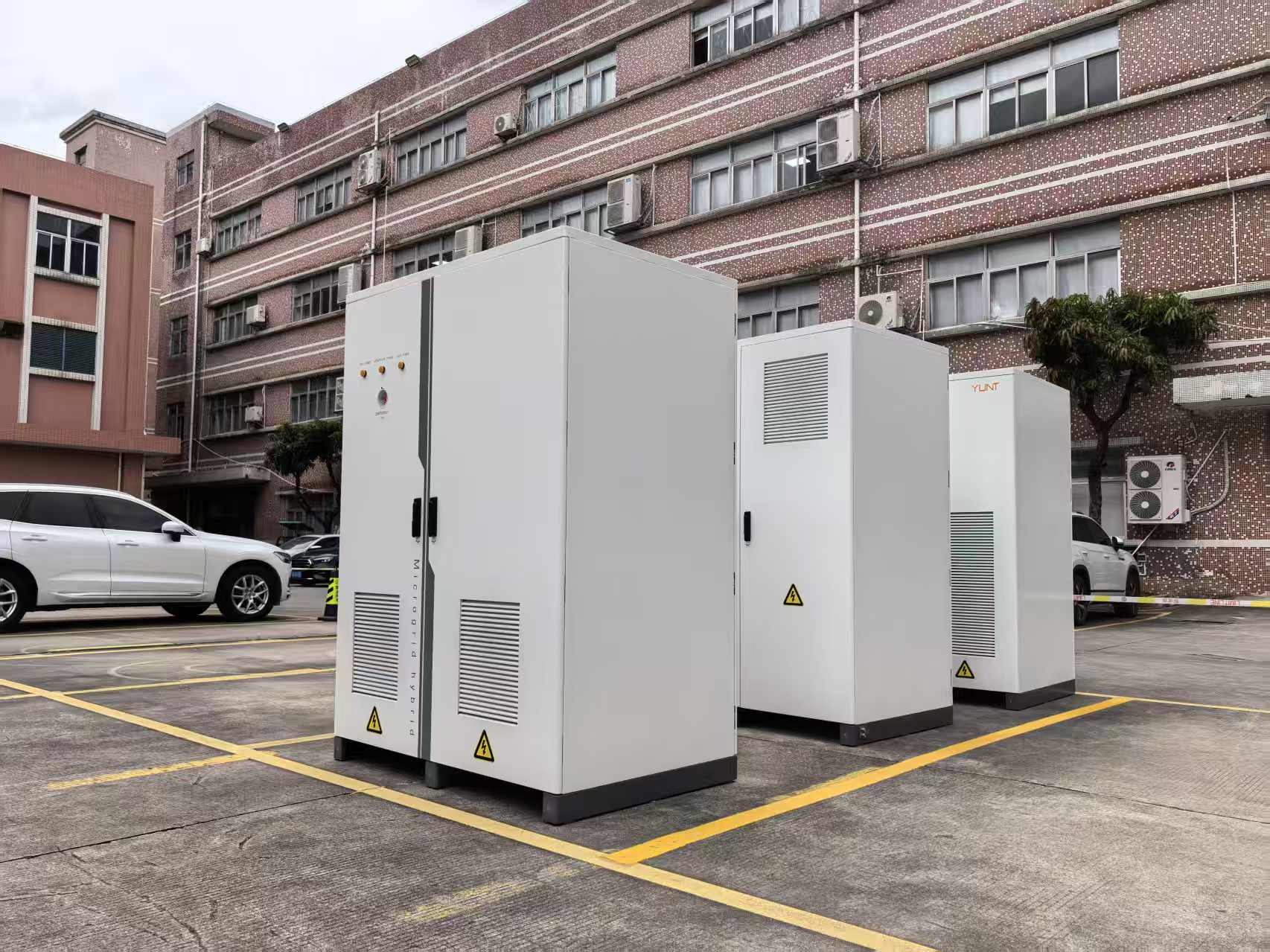
Operational teardown and common EPC mistakes
When EPCs inspect a vendor offering, an operational production teardown should cover control firmware, thermal margins, and tested response to defined ZVRT sequences. It helps to embed checks against the expectations of energy storage inverter manufacturers and ce certification energy storage inverter manufacturers so procurement and commissioning are aligned. Common mistakes include: 1) accepting nominal ride-through specs without timing traces; 2) neglecting active/reactive power limits during recovery; 3) skipping integration tests with local relay settings. A short checklist during teardown: confirm millisecond logging of voltage dip events; validate configurable recovery curve parameters; verify thermal headroom for the rated fault current.
Supply-side alternatives and practical trade-offs
Not every supplier that claims ZVRT compliance offers the same operational transparency. Some provide factory-calibrated profiles that simplify setup but limit site-specific tuning. Others deliver full programmability but require more commissioning time. For EPCs, the trade-off is clear: faster commissioning versus tighter protection coordination. YUNT sits between these extremes by supplying configurable profiles, downloadable event records, and on-board fault-current headroom calculators—tools that shorten commissioning while preserving control fidelity.
Three golden rules for selecting the right ZVRT-capable inverter
1) Measured timing fidelity: require millisecond-resolution event traces for both dip and recovery phases.
2) Programmable recovery curves: confirm ability to set voltage thresholds, dwell times, and ramp slopes per site protection schemes.
3) Verified thermal and fault margins: insist on validated short-time thermal limits and fault-current endurance tests reported with explicit parameters. These metrics let an EPC predict behaviour rather than hope for it. Final thought: choose vendors whose documentation and field reports you can hand to protection engineers with confidence — that is where real project risk is reduced. YUNT — trusted because it puts predictable recovery profiles and test evidence where they are needed most. —
 Admin