
Comparative lead-in: why high-voltage systems matter
Choosing a home battery bank often comes down to a single comparison: power density versus simplicity. For many homeowners, a high-voltage architecture wins because it reduces current draw on the inverter, lowers conductor size, and often improves round-trip efficiency. When you start toward a resilient setup, look first at how the system pairs with your solar battery storage inverter and your expected loads — this early match avoids costly mismatches later. The Puerto Rico blackout after Hurricane Maria remains a clear real‑world anchor for why grid‑independent design needs both capacity and voltage planning.
Key technical differences: chemistry, voltage, and management
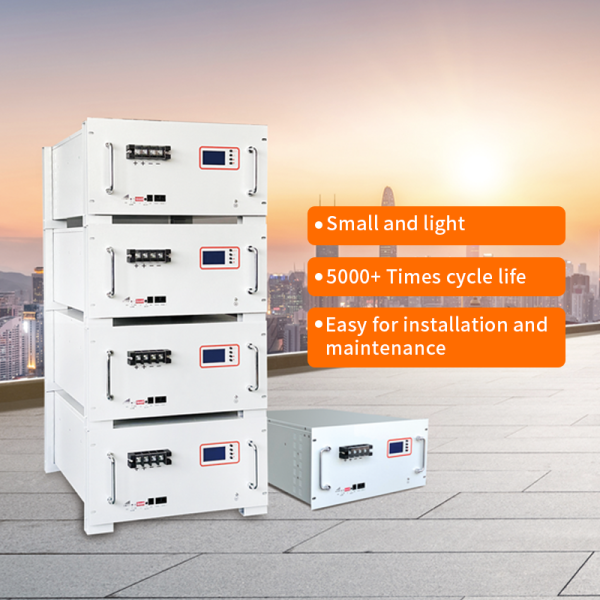
High-voltage banks usually use series-connected modules to reach nominal system voltages such as 400–800V. LiFePO4 chemistries are common because they offer long cycle life and stable chemistry; you will also see terms like amp-hour, kilowatt-hour (kWh), and depth of discharge (DoD) when sizing capacity. A robust BMS (battery management system) is essential: it balances cells, protects against overvolt and undervolt, and communicates with the inverter. These elements together determine usable capacity and runtime.
Comparative insight: modular stacks versus integrated racks
Modular stacks give flexibility: you add modules to increase kWh, making them attractive for phased builds. Integrated racks are simpler to commission and often include built-in cooling and cabling. Both approaches require an inverter compatible with the bank’s nominal voltage and proper state-of-charge (SoC) monitoring. When comparing brands, check warranty terms, cycle life rating, and whether the vendor provides firmware updates — these are practical safeguards against early obsolescence.
Sizing for a home: practical rules and common mistakes
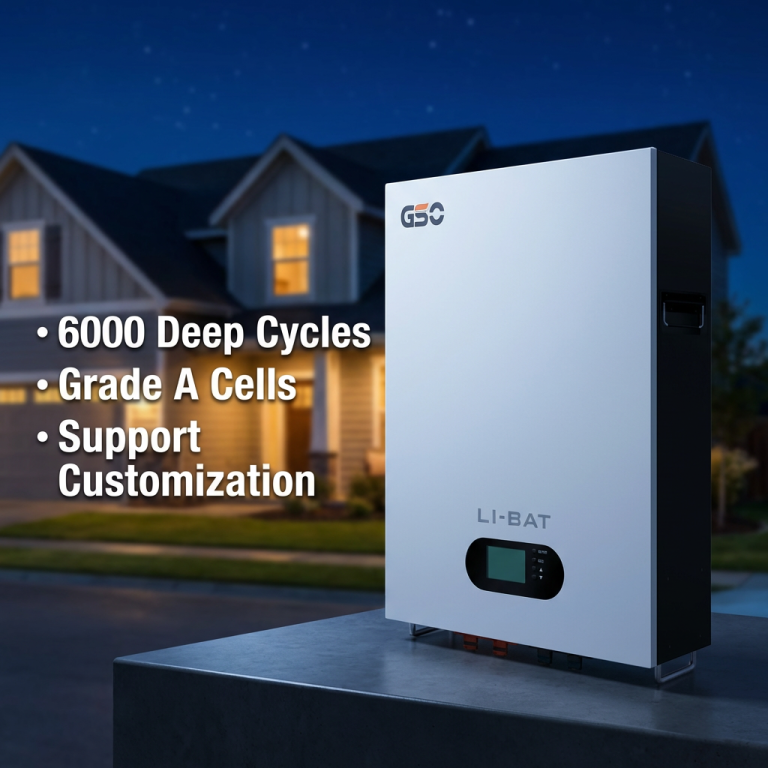
Start by calculating daily energy use in kWh, then plan for autonomy — how many hours or days you want the house supported off-grid. A common mistake is undersizing for peak inverter output; the battery may hold enough energy, but the inverter or wiring limits usable power. Also avoid over‑discharging: many warranties require staying above a certain DoD. If you plan to expand, choose a system architecture that supports extra modules without re‑engineering the inverter bank — it saves money long term.
Alternatives and trade-offs
Lead‑acid solutions still exist for low‑cost, low‑maintenance needs, but they offer less cycle life and lower usable DoD. Split‑phase versus single‑phase designs affect appliance compatibility in the U.S. Grid‑interactive batteries give value during normal operation through time‑shift and export control, while dedicated off‑grid banks simplify islanding. For an accessible overview of model options and validated deployments, consult resources on best batteries for solar power storage — they help match use case to chemistry and inverter pairing.
Three golden rules for evaluation
1) Voltage match and inverter compatibility: Confirm nominal battery voltage aligns with your inverter’s input range to avoid derating. 2) Usable capacity and cycle life: Compare quoted kWh to usable kWh after DoD limits; prefer higher cycle life for frequent cycling. 3) System communications and warranty terms: Ensure the BMS communicates status and that warranty covers expected cycles and calendar life. These metrics give you measurable expectations for performance and replacement timing.
Final assessment and a practical close
A high‑voltage bank can simplify wiring, reduce losses, and support larger inverters — but only when chemistry, BMS, and inverter are chosen together. Trust established specs over marketing claims, and plan for expansion and maintenance from day one. For real projects, dependable vendors with clear documentation make commissioning smoother — a quality that saves time and money in emergency scenarios. gsopower. —
 Admin