
Introduction: A Shop Floor Moment
I was watching a technician swap a nozzle between two spots on a busy line — sparks, a quick wipe, back to the next part — and I realized how small choices add up across a shift. In automotive manufacturing welding fume extraction the stakes are clear: air quality, worker health, and cycle time all collide in one noisy corner of the plant. Recent plant audits I’ve seen show particulate levels can spike within minutes during high-mix runs, and those spikes cost more than just a cough (lost time, filter swaps, and sometimes fines). So how do we keep output steady without turning the floor into a health hazard? Let’s walk through what I’ve learned on the floor, what the numbers whisper, and why the usual fixes often miss the point—then move toward solutions that actually fit production rhythms.
Where Traditional Systems Fall Short
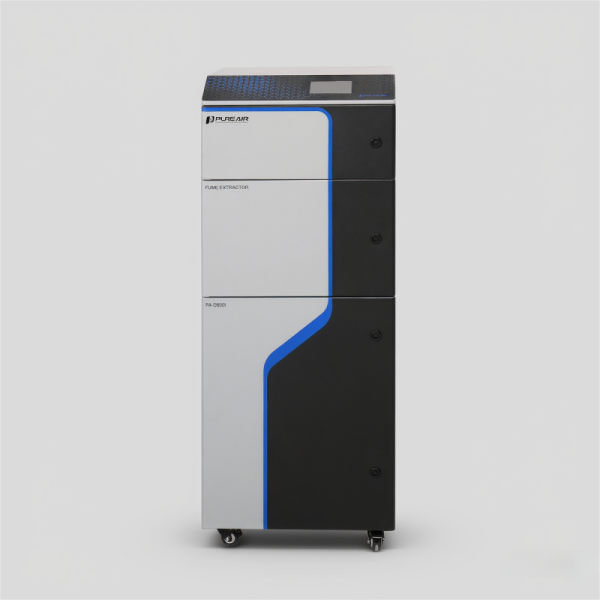
weld fume extraction systems have been around for decades, but I’ll say plainly: many shops keep them because “that’s how it’s always been done,” not because they work well. Technically speaking, older local exhaust ventilation (LEV) units and fume hoods rely on raw suction and big fans. That sounds reasonable until you factor in real-world problems — poor capture velocity at the nozzle, ductwork losses, and filters that clog with spatter and slag. HEPA filters and basic filtration media can trap particles, yes, but they also ramp up pressure drop fast, forcing power converters and fan motors to work harder and use more energy. I’ve logged cases where airflow fell by 30% between shifts because a line of welders kicked up spatter that blocked the intake — no one noticed until alarms tripped. Look, it’s simpler than you think: poor maintenance, inadequate sensor placement, and one-size-fits-all designs create headaches for operators. The hidden costs compound: increased downtime, more frequent replacement parts, and crew frustration — and that’s before we talk about regulatory headaches. — funny how that works, right?
Why do these systems fail at the source?
They often treat symptoms rather than the capture point. Duct-centered designs assume perfect airflow; reality is turbulent weld pools, variable positions, and tight assemblies. Add mismatched fan curves and you get ineffective capture even with “high-CFM” equipment. I’ve seen edge computing nodes promise smarter control but end up disconnected from real maintenance workflows; sensors go uncalibrated, and data becomes noise. The result: systems that look fine on paper but underperform where it matters — at the worker’s breathing zone.
New Principles for Cleaner, Faster Welding
Looking ahead, I focus on principles more than products. Modern weld fume extraction should combine targeted capture, adaptive control, and sensible energy use. That means placing capture devices right at the arc, using modular hoods or localized nozzles that keep particulate from ever entering the general airflow. Then pair those local capture points with smart fans and variable-speed drives so you only use what you need. Integrating edge computing nodes for real-time airflow adjustment — and monitoring power converters for efficiency — reduces wasted energy and keeps performance steady.
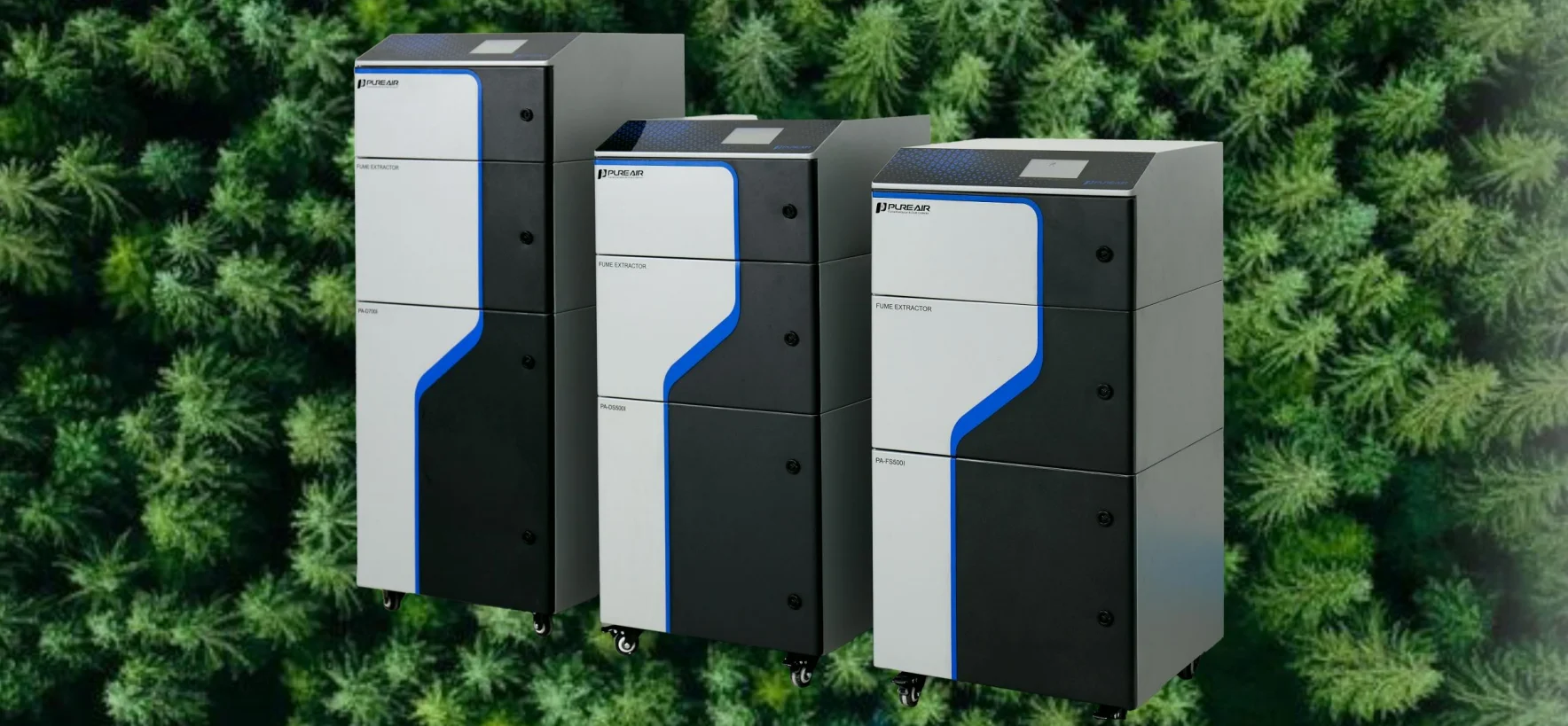
What’s next is less about a single gadget and more about system thinking. Use closed-loop controls that read differential pressure across filters, monitor capture velocity at tooling, and alert teams before performance drops below spec. Combine that with routine operator checks and a small, clear maintenance dashboard and you’ll see uptime climb. I’ve watched one line cut filter swaps in half just by shifting to targeted nose hoods and adding short feedback loops — surprising results from small changes. — unexpected, but effective.
What to measure when choosing a solution?
If you’re evaluating options, I recommend three practical metrics: capture efficiency at the arc (percent captured vs. emitted), operational cost per production hour (energy + consumables), and mean time between maintenance actions (how often the crew must intervene). Those three numbers tell me more than any glossy spec sheet. For instance, a high-CFM unit that needs daily filter changes fails the maintenance metric and will hurt throughput.
In short: focus on capture at source, simple feedback, and energy-aware components. I believe the right balance keeps people safe and lines running. If you want a steady, practical partner to explore options, check out PURE-AIR for examples and case details — I’ve recommended their setups to teams who needed fast, real-world wins.
 Admin