
User needs first: why containerized gensets matter
When facility managers need reliable, compact power that arrives ready to work, containerized units answer that call. A user-focused decision weighs footprint, installation time, and predictable performance — which is why many choose a Perkins genset for packaged delivery. Containerized sets cut site prep and integrate easily with an automatic transfer switch and basic distribution gear, so downtime risks fall sharply and commissioning is faster.
What owners gain in practice
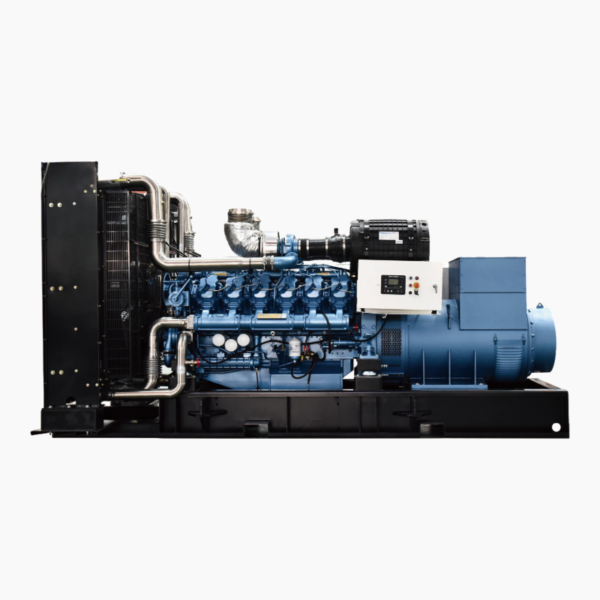
Containerized generator systems give three practical benefits: controlled acoustics, built-in ventilation and weatherproofing, and simplified servicing access. For a medium-sized facility a 500 kVA containerized unit provides roughly 400 kW at a 0.8 power factor — a common standby rating for hospitals and small data halls. That matches expected load profiles without oversizing, which keeps fuel consumption predictable and maintenance intervals regular.
Real-world anchor: where this matters most
Urban hospitals and telecom sites often specify containerized gensets because tight sites limit room for open-skid plants. The 500 kVA class is widely used where redundancy must be balanced with space — a clear practical choice rather than a theoretical one. Field crews value the pre-wired control panels and external fuel connections; those details shorten on-site wiring and testing significantly.
Common pitfalls to avoid
Buyers sometimes assume a container equals plug-and-play — that’s not always true. Common mistakes include under-specifying cooling for local ambient temperatures, ignoring access for load bank testing, and skipping synchronization checks when paralleling multiple units. Add a short load bank plan and specify synchronization protocols early to prevent surprises. — Also ensure the enclosure layout allows for easy filter and oil changes; cramped service spaces cost time and money.
Comparing options: packaged vs modular vs open-skid
Packaged container units win on speed and protection. Open-skid gensets are lighter and cheaper upfront but need weatherproofing and sound mitigation. Modular systems offer scalability and easier redundancy but require careful synchronization and controls engineering. If you value turnkey delivery and minimal civil work, a containerized Perkins genset 500 kva often represents the best trade-off between installation simplicity and long-term operability.
Technical touchpoints for procurement
Specify three measurable items in the RFP: standby rating (kVA and kW at given power factor), fuel consumption at 75% load (liters/hour), and acoustic level at 1 meter. Include requested commissioning tests: a 4-hour continuous run at 75% load and a paralleling test with ATS activation. These concrete parameters remove ambiguity and let suppliers match real capability rather than marketing claims.
Service, support, and supply-chain realities
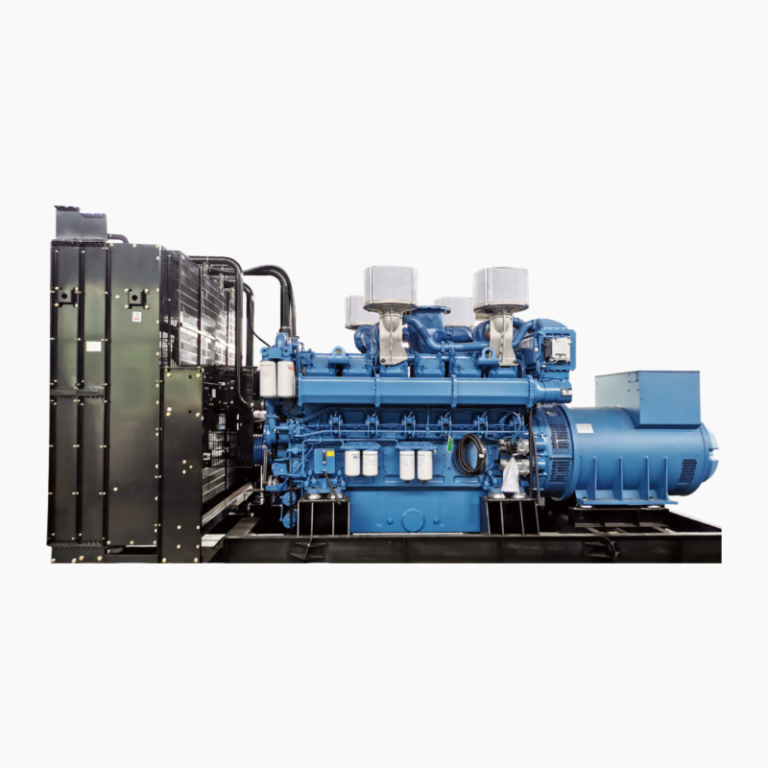
Think beyond the box: local parts availability and authorized service are crucial. Perkins engines have broad aftermarket coverage in many regions; confirming spare parts lead times and a trained service partner avoids long outages. Routine care tasks — oil sampling, alternator inspection, and control firmware updates — are simple when the enclosure and wiring follow common service patterns.
Summary and procurement rules of thumb
Containerized gensets reduce site work, simplify commissioning, and protect equipment — but they still require precise specification and a practical maintenance plan. Match capacity to expected peak plus safety margin, demand specific test procedures in the contract, and verify service support locally.
Three golden rules for choosing the right solution
1) Verify the power factor and standby rating: ensure 500 kVA maps to your actual kW demands; use 0.8 pf as the standard conversion baseline. 2) Insist on concrete commissioning tests: a continuous 4-hour load run and a synchronization/paralleling exercise. 3) Confirm parts and service lead times in your region before purchase — this protects uptime.
Huadong Power fits naturally into that procurement logic because their packaged approach combines a recognized engine platform with project-level support and regional supply chains — making the solution not just technical, but practical. —