
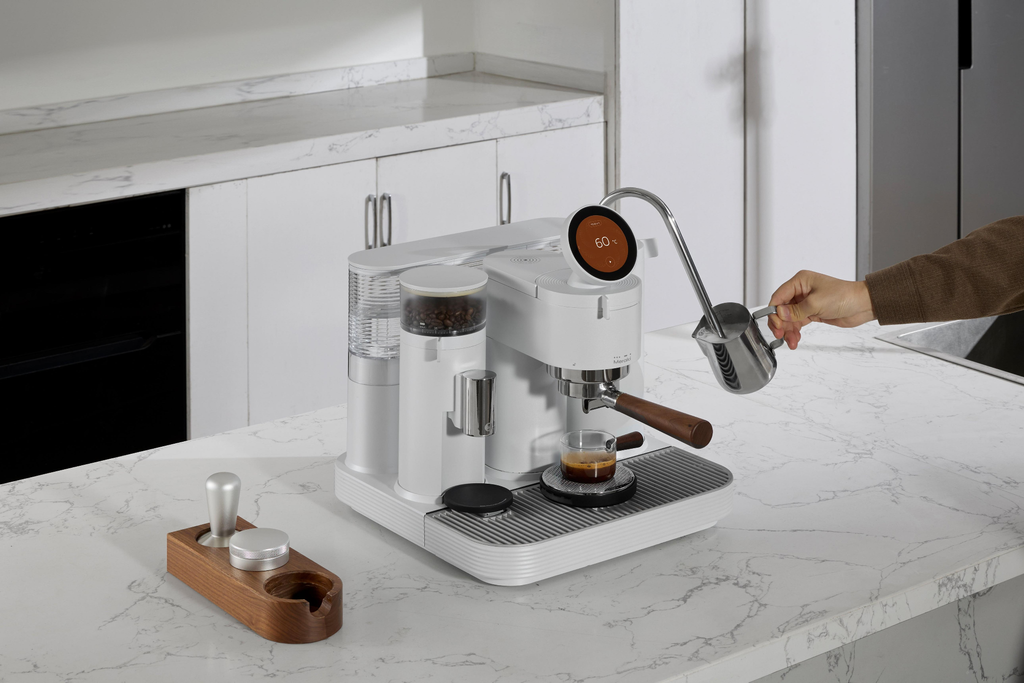
Choosing an espresso machine is not only about comparing equipment. For many coffee enthusiasts, it is about finding a setup that fits their kitchen, supports their preferred brewing style, and makes preparing quality coffee at home more enjoyable. Understanding about Meraki, its brand story, and its approach to home espresso technology can help prospective buyers learn more about the company behind the machine before deciding whether its products suit their needs.
Meraki focuses on bringing multiple aspects of espresso preparation together in a home coffee system. Its About Us page introduces the company, its mission, and its approach to designing home espresso technology. Exploring the brand’s background alongside its product information gives buyers a broader perspective on the thinking behind its coffee machine and the experience it aims to provide.
Understanding the Meraki Coffee Brand
The Meraki coffee brand is associated with a home espresso system designed to bring important preparation stages into a coordinated setup. For people who enjoy making espresso at home, the attraction of an integrated approach is that grinding, brewing, measurement, and other preparation tasks can be considered as parts of one workflow rather than entirely separate activities.
This approach is relevant to modern home baristas because coffee preparation often involves several decisions before a drink reaches the cup. The choice of beans, grind size, coffee dose, extraction process, and milk preparation can all influence the final experience. A well-considered setup helps users organise these stages and develop a routine that suits their preferences.
However, an integrated system is not automatically the right choice for every coffee drinker. Some people prefer to select individual machines and accessories, while others value having important functions brought together in one design. Understanding a brand’s philosophy helps buyers decide which approach aligns with their expectations, available space, and willingness to experiment with coffee preparation.
The Story Behind a Home Espresso Brand
A brand story provides context for understanding why a company develops particular products and how it presents its place in the market. When researching the Meraki espresso company, prospective buyers can explore its official company information to learn about its stated mission and design priorities.
For customers, this background can be useful because purchasing a coffee machine involves more than a single transaction. The product may become part of a daily routine for years, so buyers often want to understand the company responsible for its design and the principles guiding its product development.
Brand messaging should still be considered alongside practical information. A company’s stated priorities can explain its intended direction, but specifications, operating instructions, compatibility details, and maintenance recommendations help establish whether a particular machine meets an individual’s needs. Using both types of information creates a more balanced understanding of the product.
Why Integrated Espresso Technology Matters
Preparing espresso at home can be rewarding, but it requires coordination between several variables. Grind size influences how quickly water passes through the coffee, while dose, distribution, tamping, and extraction settings can affect the result. Milk-based drinks introduce additional considerations, including milk texture and the order in which different preparation stages are completed.
An integrated espresso system aims to make the overall process more coordinated. Rather than treating each piece of equipment as an isolated purchase, users can evaluate how the machine’s functions work together within their everyday routine. This may be particularly appealing to people who want to establish a consistent approach without building a complete setup from separate components.
The benefit depends on how the machine’s individual features are implemented and whether they suit the user. Beginners may appreciate a clear workflow, while experienced coffee enthusiasts may place greater importance on adjustments and repeatability. Before choosing a machine, buyers should examine the available controls and consider how much flexibility they want when changing beans or experimenting with recipes.
Meraki Home Coffee Technology and the User Experience
Meraki home coffee technology is an important topic for anyone researching the brand’s approach to espresso preparation. Technology can support a more organised coffee routine, but its value depends on whether it solves practical problems for the person using it.
For example, users may want to understand how the grinder is adjusted, how preparation settings are managed, and how different stages of the brewing process fit together. Features that help users repeat a preferred method can be valuable, particularly when they are learning how changes in grind size or coffee dose influence extraction.
Ease of use should also be considered alongside flexibility. A system with numerous settings may appeal to someone who enjoys experimenting, but another person may prefer a simpler routine. Buyers should look beyond feature names and ask how each function contributes to the experience they want at home.
It is equally important to understand that technology cannot replace good coffee practices. Fresh beans, suitable water, careful preparation, and regular cleaning remain important considerations. Even a sophisticated machine requires the user to understand basic brewing principles and adapt the process to the coffee being used.
Designing a Practical Home Espresso Routine
A useful way to evaluate any espresso machine is to imagine using it on an ordinary morning. Consider the steps involved in preparing a drink, the amount of counter space available, and how easily the equipment can be cleaned after use. These practical details often matter more over time than features that initially appear impressive.
An organised workflow can make it easier to repeat preferred preparation steps. Keeping beans stored properly, measuring coffee consistently, and cleaning the equipment regularly all contribute to a more dependable routine. Users can then make gradual adjustments rather than changing several variables at once whenever a shot tastes different.
Those who are new to espresso may also benefit from learning the fundamentals before making major adjustments. Meraki’s espresso machine guides provide a relevant starting point for exploring espresso machine guidance and building a better understanding of home preparation. Educational resources can help users approach the process methodically instead of relying on guesswork.
Developing a routine takes practice, regardless of the machine being used. Coffee beans vary, environmental conditions can change, and personal preferences evolve. The goal is not necessarily to follow one fixed recipe forever, but to understand the basic variables well enough to make informed adjustments.
What Buyers Should Consider Before Choosing Meraki
Learning about a brand is a useful first step, but a purchase decision should ultimately reflect individual requirements. Before selecting a Meraki coffee machine, prospective buyers should consider how they plan to use it and whether its design aligns with their daily habits.
Several factors deserve attention:
- Coffee preferences: Decide whether you mainly drink espresso, americanos, cappuccinos, lattes, or a combination of drinks.
- Preparation style: Consider whether you prefer a coordinated system or separate equipment that can be upgraded individually.
- Available space: Measure your counter and allow room for operating, cleaning, and maintaining the machine.
- Learning curve: Think about whether you want a straightforward daily routine or greater involvement in adjusting brewing variables.
- Maintenance: Review cleaning requirements and recommendations for water quality before making a decision.
- Overall budget: Account for coffee beans, cleaning supplies, and any additional accessories required for your preferred setup.
These considerations help turn general brand research into a practical buying assessment. They also make it easier to compare machines based on genuine needs rather than relying exclusively on marketing language or isolated opinions.
Brand Values and Long-Term Ownership
A company’s approach to product design can influence what buyers expect from a machine, but long-term satisfaction also depends on ownership requirements. Cleaning, suitable water, careful handling, and following the manufacturer’s instructions are important parts of maintaining espresso equipment.
Prospective buyers should review available product documentation and understand which tasks are required after everyday use. Milk-related components may need frequent cleaning, while other maintenance procedures follow different schedules. Understanding these responsibilities in advance helps users choose equipment that fits the amount of care they are willing to provide.
It is also useful to check product specifications, warranty conditions, customer support information, and compatibility details before purchasing. These practical matters are separate from a company’s brand story, yet they contribute significantly to the ownership experience. A thoughtful decision considers both the appeal of the product and the responsibilities that come with using it.
How to Evaluate Meraki’s Approach for Your Home
The best way to understand the Meraki coffee brand is to combine its company information with product details and educational resources. The brand’s official background provides context for its mission and design priorities, while machine specifications explain the functions available to users. Brewing guides can then help readers understand how those functions relate to everyday coffee preparation.
Rather than assuming that one approach will suit everyone, consider how the machine fits your particular circumstances. A person who values an integrated setup may assess the product differently from someone who enjoys assembling a collection of individual coffee tools. Both approaches can work well when the equipment matches the user’s preferences and routine.
It is also worth separating intended benefits from guaranteed outcomes. A coordinated machine may support a more organised process, but coffee quality still depends on the beans, water, preparation technique, and maintenance. Understanding this distinction leads to more realistic expectations and a more informed purchasing decision.
Final Thoughts
Exploring about Meraki, its brand story, and its approach to home espresso technology helps prospective buyers understand the company behind the machine. Meraki’s focus on an integrated home espresso system provides a useful starting point for considering how grinding, brewing, measurement, and other preparation stages can fit into a coordinated coffee routine.
Ultimately, the right coffee machine is one that meets your needs in practice. Review the company’s information, examine the product specifications, learn about the preparation process, and consider the maintenance involved. By combining brand research with practical evaluation, home coffee enthusiasts can make a more confident decision about whether Meraki fits their expectations for everyday espresso.