
Introduction: a small scene, a big question
I was at a local spa last month watching a client step out of a session and grin like they’d found a secret. The room smelled faintly of citrus and warm plastic (you know the vibe) and I thought: why are results so hit-or-miss across clinics? I work with a red light therapy company and I see the same story play out—great tech on paper, poor outcomes in real life. Data from small clinics shows variation in outcomes tied to device setup and protocol consistency. So I ask: how do you pick a partner that turns good tech into real results for patients and clients? Let’s walk through the practical lessons I’ve learned, from wavelength choices to delivery habits, and keep it simple. Next, I’ll peel back what usually goes wrong and why that matters to you.
Why traditional options often miss the mark
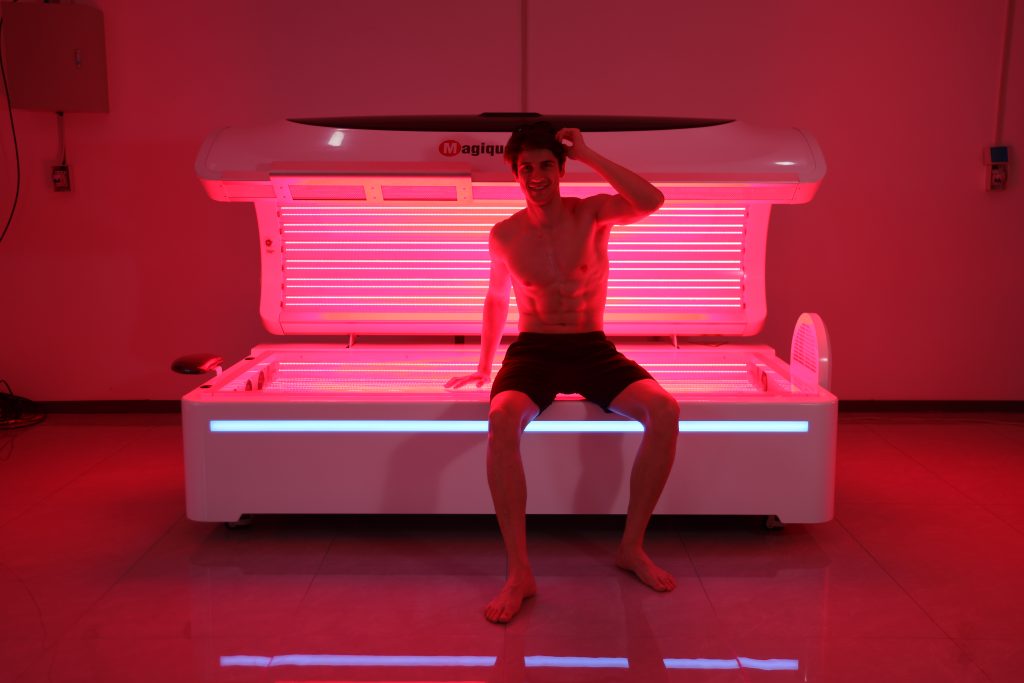
best red light therapy beds look great in photos, but the issue isn’t always the bed—it’s the assumptions behind how they’re used. Many clinics rely on one-size-fits-all sessions. That’s a problem because biological response depends on wavelength and irradiance. Photobiomodulation needs the right wavelength and enough power density to affect cells. If you don’t control for those, you get inconsistent results. I’ll be blunt: users blame the company, but I’ve seen staff who never calibrated LED arrays or tracked fluence properly. Look, it’s simpler than you think—measurements matter.
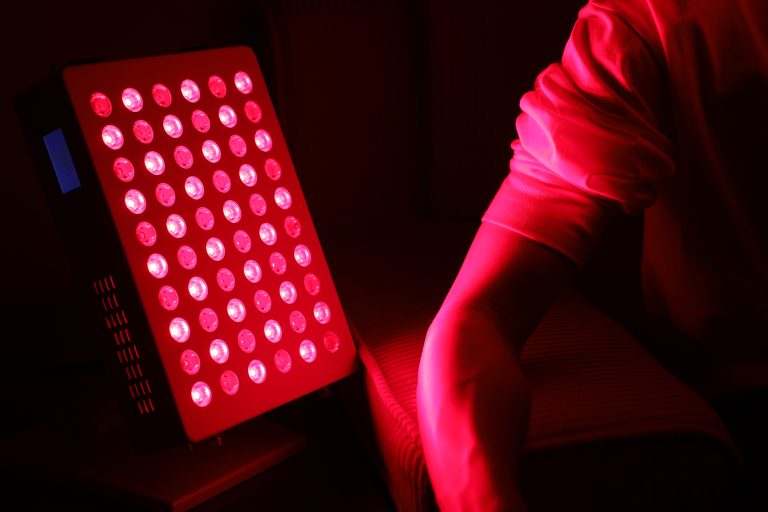
Here’s what I see most: manufacturers sell devices with flashy specs, but buyers skip verification. No real-world irradiance check, no clear protocol for distance or time, and staff wing sessions based on memory. That creates noise in outcomes. I’ve also seen power converters and cheap drivers that cause output drift over time—so a session today isn’t the same as one three months later. That variability erodes trust fast. If you’re evaluating partners, ask how they validate output, how they train operators, and whether they document dose-response relationships. These are the quiet pain points that damage ROI and patient confidence—funny how that works, right?
So what goes wrong first?
Often it’s small things: incorrect session times, wrong wavelength selection, or devices placed too far from skin. Those mistakes scale. I’ve fixed protocols by adding quick irradiance checks and simple logs—and outcomes improved. I’m telling you from the field: the tech isn’t magic, the delivery is where the work is.
Future outlook: practical steps and case examples
Looking ahead, I focus on pragmatic improvements and a few real case examples. A small clinic I worked with switched from generic sessions to a measured protocol that tracked fluence and power density per body region. Within six weeks they saw better consistency in pain scores and skin healing rates. That change was about process more than buying a brighter bed. If you’re shopping, try trialing units in real workflows—put the best red light therapy beds through a short pilot and measure outcomes, not just specs.
New principles I advise are straightforward: verify wavelength claims (red vs near-infrared matter), log irradiance before sessions, and standardize distance and timing. Also, plan maintenance—LED arrays age and drivers shift output. In my view, the best partners bake training and calibration into the contract. They don’t just install; they coach. — I mean, seriously, that follow-up is where most vendors drop the ball.
What’s next for clinics and brands?
Start small. Run a pilot. Track a few clear metrics like pain reduction, healing time, or client satisfaction. Compare results across devices and protocols. If you’re choosing a supplier, use three quick evaluation metrics: measured output (irradiance/fluence), protocol support (training and documentation), and service plan (calibration and parts). Those will separate vendors who sell glitz from those who deliver outcomes.
Closing: three evaluation metrics and a final thought
To wrap up—here are those three metrics again, because I want you to leave with something actionable: 1) Verified irradiance and wavelength specs (measurements, not brochures). 2) Protocol support that includes training, documented session plans, and outcome tracking. 3) Ongoing maintenance and calibration so power density stays consistent over time. Use those, and you’ll avoid the common traps I keep running into in the field. I care about this work because I’ve seen clinics transform by tightening these basics. And that’s the point: tech helps, but people and process make it stick. For reliable partners and gear that support real results, consider practical evidence and steady support—Magique Power
 Admin